
Working with Nature
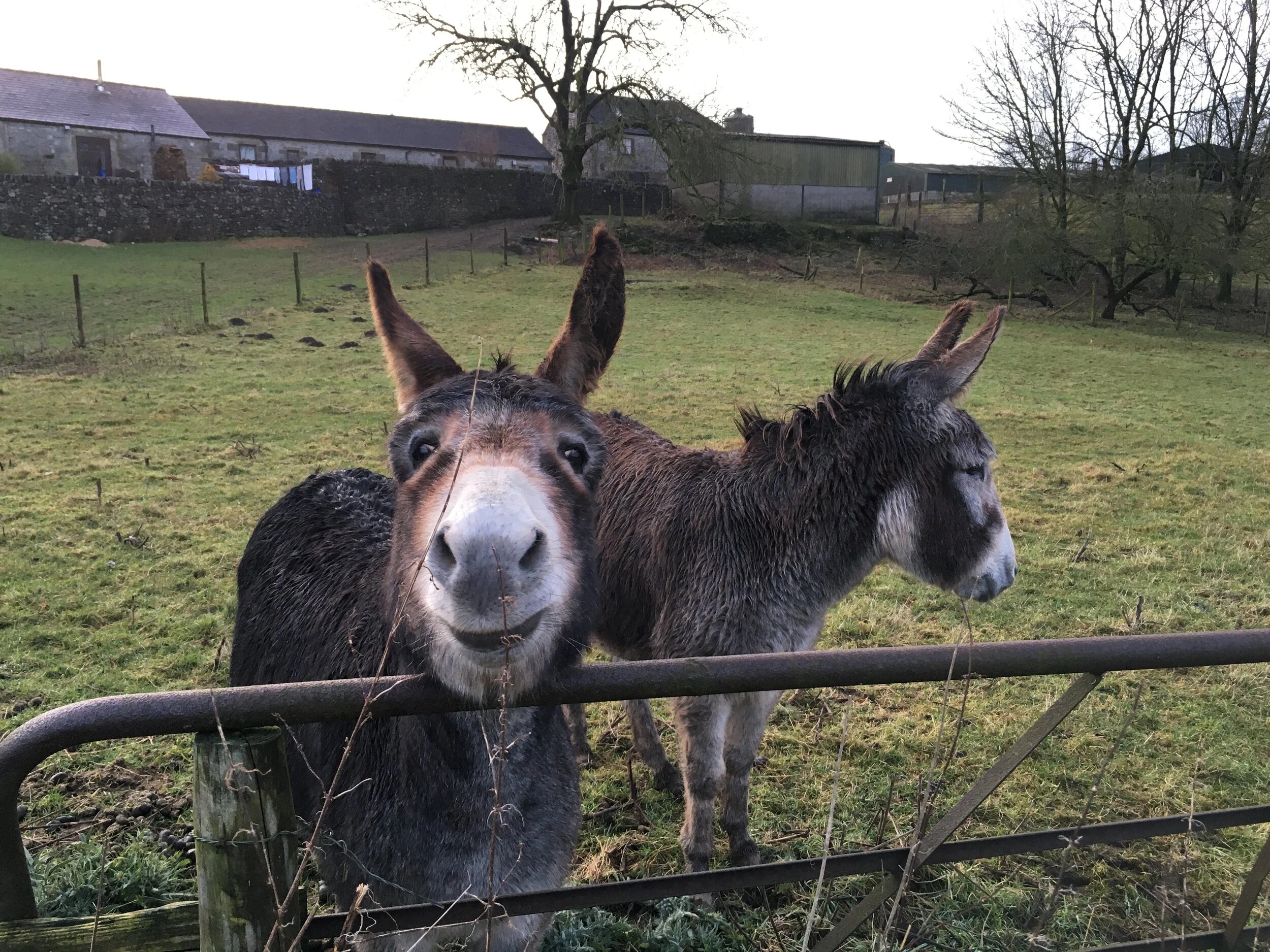
“There are some four million different kinds of animals and plants in the world. Four million different solutions to the problems of staying alive.”
Sir David Attenborough
What an inspiration Sir David Attenborough is. I often wonder if he is knowledgeable and endlessly interesting because nature is and he’s part of the whole! Nature provides a bounty of inspirational opportunities for coaches and there are never-ending ways to engage with nature in our coaching work. I’d like to share a few ideas and provocations here with the frame being ‘tread lightly and do what feels right’.
There are many conversations when we work outdoors. The human to human conversation is one but there are also more subtle conversations, ones with weather, plant-life, terrain, animals and other humans. There is an opportunity to be aware of the manner in which these are met, “along with the associated conscious, unconscious and non-conscious meanings and experiences evoked.” (Marshall, 2016).
The multi-faceted world of ‘we-in-context’ relating (Tudor, 2011), if well ‘caught’ by the coach, can promote insight. Collaborating with nature as co-facilitator invites a multi-dimensional awareness.
What’s happening in my client?
What’s happening between my client and nature?
What’s happening in me?
What’s happening between me and nature?
What’s happening between my client and I?
What’s happening around us (in nature)?
And how are we jointly in relationship with nature?
Now that might seem quite an overwhelming amount of information to be trying to pay attention to. However, if you pay attention to none of it and carry on with your coaching conversation as normal, no one will be any worse off. The provocations above represent opportunities for the coach to notice and then choose how to use them (or not!).

“Working with clients… outdoors changes the didactic nature of the work, because there is now a third party involved…, the other-than-human occupies the third apex of a triangular relationship which also includes the client and therapist. Sometimes it facilitates the relationship between the two humans, for example by commenting on something that has been said with birdsong, a crack of timber, a quick shower or a gust of wind.” (Totton, 2013)
Nature invites us to be present in the moment and if appropriate to pause and name what’s there;
I’m noticing this…
My attention is drawn to that…
Could that be significant?
What’s the difference for you standing in the shadow? The light? What’s in your shadow?
What are you noticing?
In what way is that relevant?
Again, it’s about trusting your intuition on whether you want to bring your observations into the conversation. Nothing ventured…

I love the insight below from Marshall about how nature can offer so much to our clients and in such an unobtrusive and un-threatening way.
This large beech tree is a significant presence in this landscape. It brings a powerful sense of ‘otherness’. Many clients working out here have formed a distinctive relationship with this being. So this tree for some is a stimulus for internal process – like the client who said it reminded her of being a small child walking beside a large person who was all height and legs, thus connecting her back to a significant memory. And the tree is also itself, a self-willed being that is doing its own thing for its own reasons, a being that is very different from us - so it’s a being that many have marvelled at; and a being that many have drawn solace from –needing to go and be with this big tree for comfort and support. (Marshall, 2016)
The story of the tree inspired me to create ‘the learning tree’ exercise:
‘Can you see the wise oak over there? Imagine it’s been listening to our conversation so far, heard all of it’
What has it noticed?
What would it say?
What advice would it give you?
Transference
Buber (1923) suggests that as soon as we see something we are in relationship with it. We project our own emotions onto it. Therefore the natural world provides a safe and neutral canvas on which we can see our inner landscape and if we wish, project our feelings onto. Transference would be one example of how we could use this with our coaching clients:
Example 1
Pick something that represents X (boss, partner, mother etc.)
What sense do you make of the thing you have chosen?
If that tree/stone/sheep/duck was your boss, what would you say to them?
Now what do you notice?
Example 2
What would your life be like if you were not carrying X?
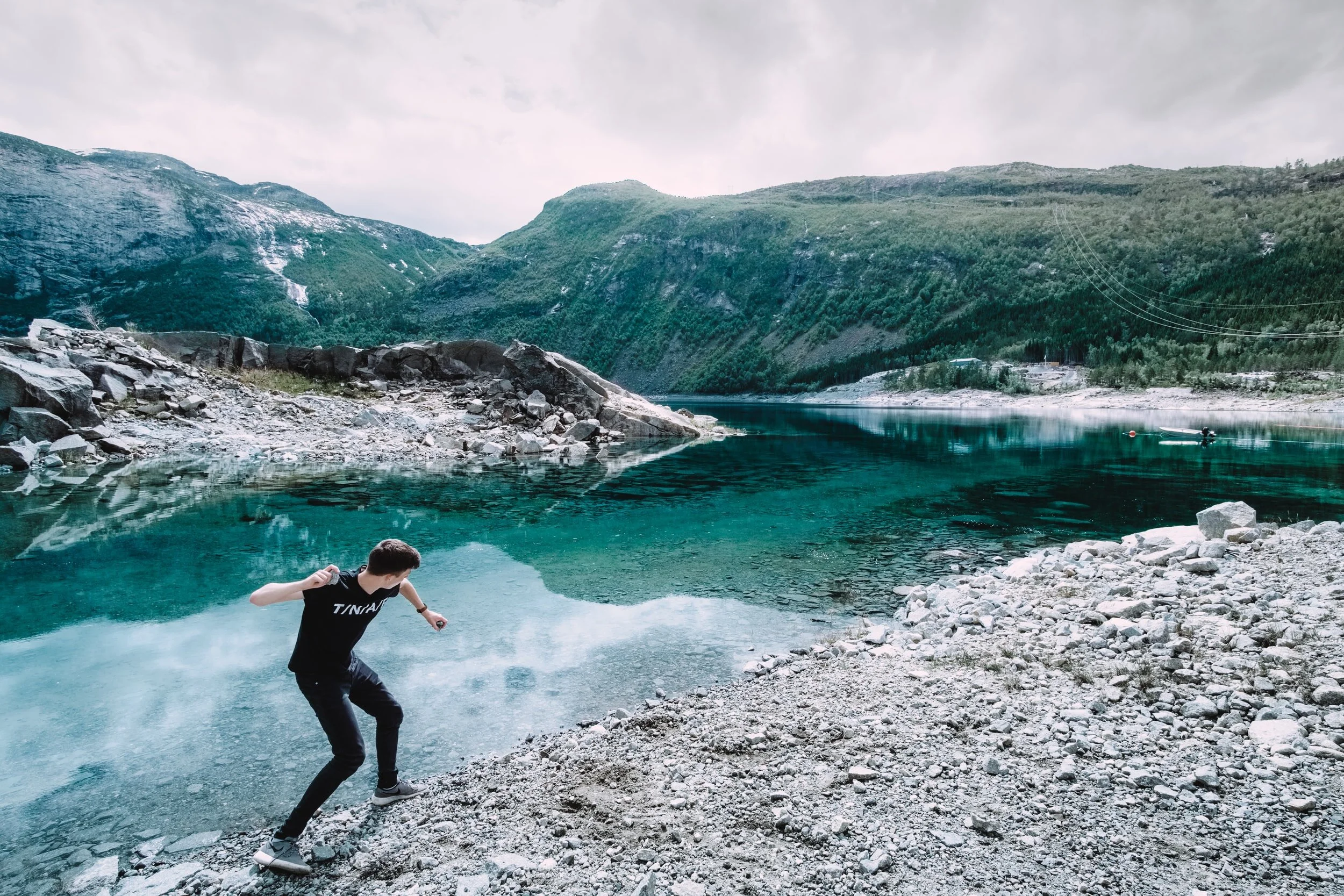
Pick up a stone, push into it all that you want to remove from your life; a feeling, a situation, a thought, a sensation.
Say something about it.
Would you like to throw it into the water?
Now what do you notice?
Groups & Teams
“Are there any types of exercise in particular that lend themselves to having several people involved in comparison to just an individual?” (coach)
I’m not sure that there are any that I would say work better with groups but there are definitely some that I am drawn to for use with groups. I’ve listed a few below.
Find an Object
Inviting a group to walk out for 10 minutes and bring back something they are drawn to. When they come back ask them to share what they have chosen and what drew them to it. I’ve used this a number of times at various different stages with groups and gone shallow and deep with it.
Hug a Tree
I’ve taken a deep brave breath and invited leaders to choose a tree to hug then put on a blindfold go give it a hug! They’ve been in pairs with a sighted partner. They then take the blindfold off and swap over, choosing a different tree. We’ve then used this as an example of a system of 3. What was each role, what was being offered from each and received from each. It then becomes a catalyst for a conversation about the larger organisation system that these leaders are part of and impact on.
Define Purpose
Inviting each member of a team to seek out some natural objects that they are drawn to which align to what they believe the purpose of the team is or should be. We then collectively look at and listen to each team members story about their objects and why they chose them. After listening there is the opportunity to explore feelings, notice patterns etc and move the conversation to aligning on purpose.
Feedback Walks
Again with teams, inviting people to walk out in nature (hotel grounds, country paths, woodland walks) to have 2 way feedback conversations. Allowing nature to support the open and honest conversation. [Without fail this yields richness and everyone says how valuable the time and setting has been].
Reflection Time
Inviting people in a group to find a space, away from others (ideally near water) and sit alone for 10 minutes to reflect on the content of the day and it’s impact for them.
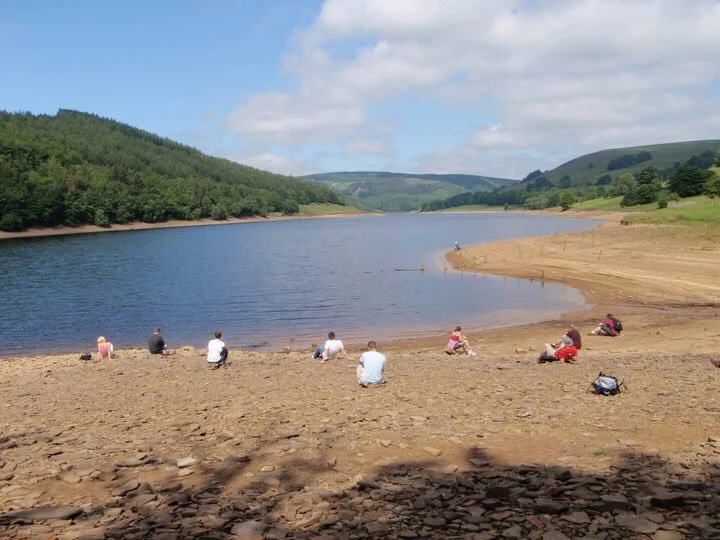
Mars group in the Lake Disctirct
In closing. Trust nature to be your co-partner. Allow her to be the inspiration. Find your way, what tools and techniques you are comfortable with. What works for you and your clients. You’ll know through practice and trial and error.
A final story from a previous course participant:
I decided to put pen & paper down to do some kingfisher spotting, having seen them before in this very spot. I was gazing in anticipation for around ½ an hour but the beautiful birds were elusive today. I started to wonder if perhaps I was trying too hard & that beautiful things often happen when I just let go… And as I lowered my head to capture this thought, the unmistakable flash of turquoise passed by, just 10 feet in front of me, gliding low & slow over the water, as if it had been waiting to show me… OK, message received! (Sam Clarke, 2020)
References:
Buber, M. (1923). I/Thou
Marshall, H. (2016). Taking therapy outside – Reaching for a vital connection. Keynote Presentation at CONFER Conference Psychotherapy & the Natural World
Tudor, K. (2011). Understanding Empathy. Transactional Analysis Journal 41 (1), 39-57.

Lesley holds an MSc in Executive Coaching from Ashridge Business school and she has 16 years commercial experience with Mars. She holds an EMCC Senior accreditation. Read More >
She is the author of ‘Coaching Outdoors; the essential guide to partnering with nature in your coaching conversations’.
Contact by calling +44 (0) 7799 581792 or email info@coachingoutdoors.com.